The Mystique of the Congo: Separating Fact from Fiction in the Superstitions of the DRC
Binja B.
In the heart of Africa, the Democratic Republic of the Congo is a country rich in culture and traditions. But with this rich heritage comes a wealth of superstitions that often spark curiosity and intrigue. Let’s delve into some of the most common superstitions in the DRC and separate fact from fiction.
The Lucky Rabbit’s Foot… or not?
In some parts of the DRC, it is believed that carrying a rabbit’s foot brings good luck. However, this superstition is more of a cultural import than a local tradition. In reality, many Congolese believe in the power of ancestral spirits and traditional medicine, rather than relying on rabbit’s feet for luck.
The Power of Nkisi
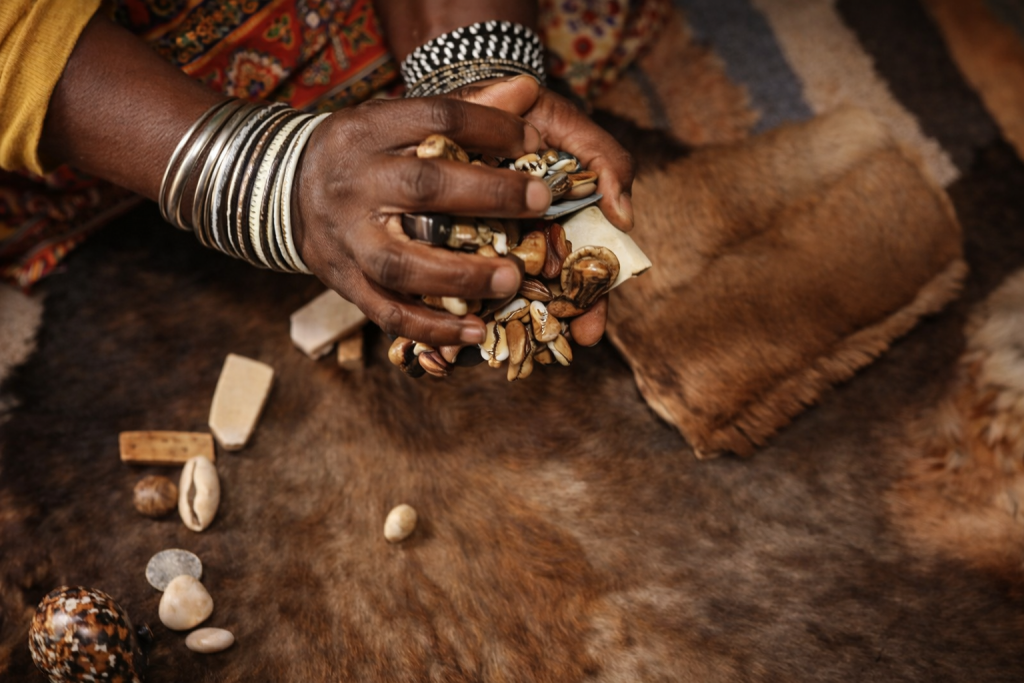
In the DRC, Nkisi (or Nkissi) refers to a type of energy or spiritual power often associated with traditional medicine and spiritual practices. Whilst some believe that Nkisi can grant protection or healing, others see it as a means of exploiting spiritual power for personal gain. Whatever the case, it is clear that Nkisi plays an important role in Congolese culture and spirituality.
Demystifying the ‘Mundele’ Myth
You have probably heard the term “Mundele” used to refer to white people in the DRC. Whilst some might interpret it as a derogatory term, it is in fact a complex concept deeply rooted in Congolese culture. In reality, “Mundele” simply means “white person” or “foreigner”, and is often used as a neutral descriptor.
Separating Fact from Fiction
So, what is the key takeaway from these superstitions? Simply that culture and tradition are complex and multifaceted, and should not be reduced to stereotypes or simplistic misconceptions. By embracing the diversity and richness of Congolese culture, we can gain a deeper understanding of the people and their traditions.
Nous utilisons des cookies pour vous garantir la meilleure expérience sur notre site web. Si vous continuez à utiliser ce site, nous supposerons que vous en êtes satisfait.